
The Fruit Bowl
On negativity bias, widening attention and how the good moments were always there we just weren't trained to see them.

I notice things. It’s not just occupational, though sitting with people and learning to see what’s actually in the room rather than what’s loudest has definitely sharpened that skill.
Either way, I turn that same attention on myself regularly and what I find isn’t always flattering!
Since someone in the community actually asked me to write about this after I dropped the fruit bowl metaphor as a note. So here it is, properly, with a little story from my own diary…
It was about a year ago. One of those stretches that doesn’t announce itself, just settles in quietly. Business demanding, a lot of changes, the low hum of noticing everything that was hard, heavy, unresolved. The things that weren’t working. The distance between where I was and where I thought I’d be. The same thoughts, circling.
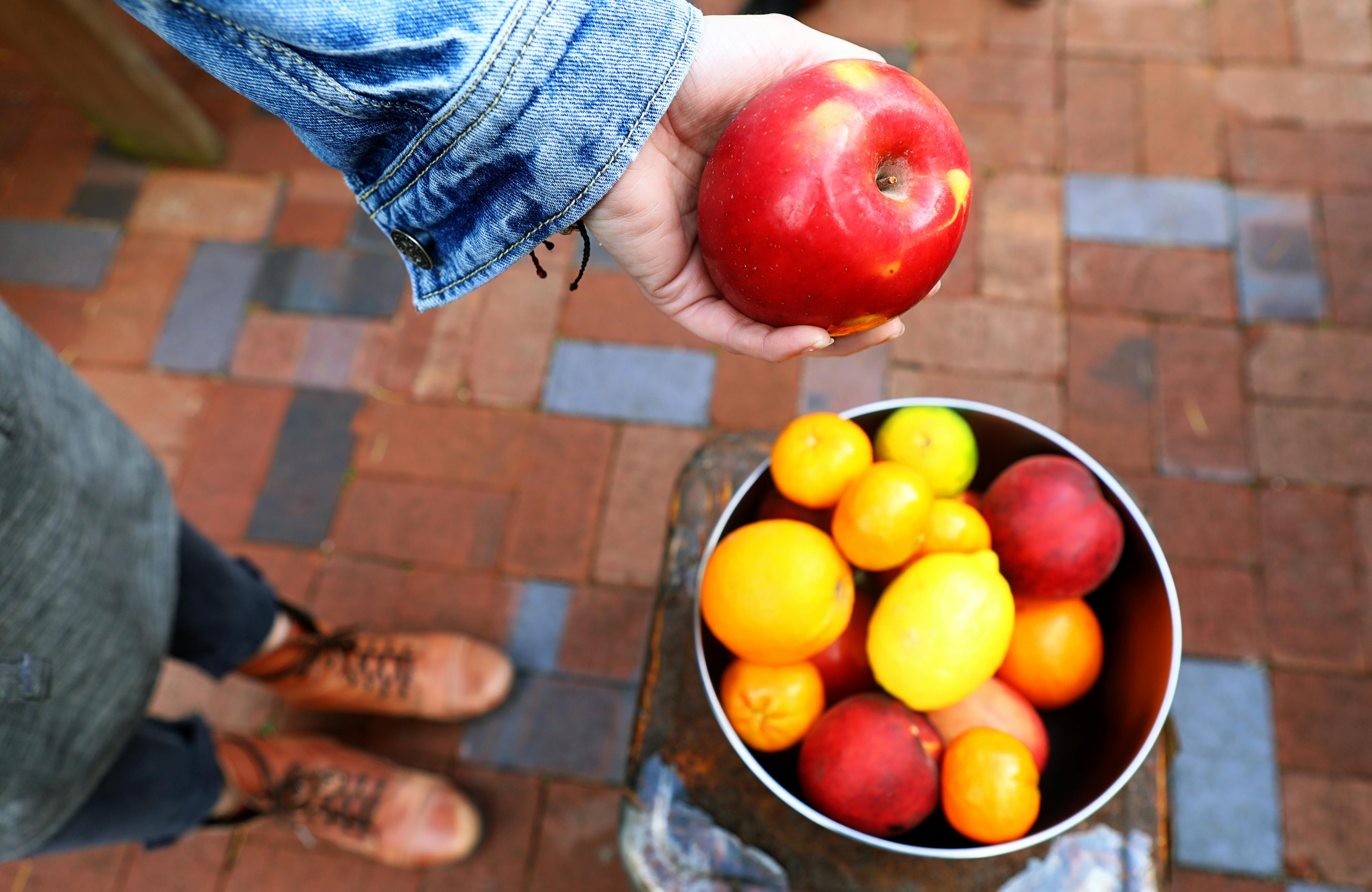
And then I looked at the bowl on my kitchen island.
Fruit. Some of it ripe and ready. Some of it past its best. A grape that had seen better days sitting right next to a mango that smelled like summer.
Something clicked. The “aha” moment in its finest.
This is what I’ve been doing. Looking at the rotten piece and calling it the whole bowl.
My own fruit bowl had become my teacher and later a metaphor I like coming back to.
Why we fixate
Here’s the truth. The brain wasn’t designed for happiness. It was designed for survival.
And survival, for most of human history, meant one thing above all else — don’t miss the threat.
This is what neuroscientists call negativity bias. The brain registers negative experiences more quickly, more deeply, and more durably than positive ones. A harsh word lands harder than a kind one. A setback lingers longer than a win. One rotten piece of fruit draws the eye before the ripe ones do.
It isn’t a character flaw. It’s ancient wiring. The ancestors who noticed the predator survived. The ones who were busy admiring the sunset didn’t… (sadly)
But we are no longer running from predators and yet the same wiring that kept us alive then is now keeping us stuck — scanning constantly for what’s wrong, what’s missing, what’s threatening.
Training our attention on the one rotten piece while the rest of the bowl goes unseen.
The bowl was always full
Here’s what I’ve come to understan both in the therapy room and in my own life.
The good moments were never absent. The glimmers were always there.
The conversation that made you laugh unexpectedly. The morning that felt spacious. The stranger who held the door. The song that arrived at exactly the right moment. The grape — small, easy to miss, nothing big — sitting quietly in the bowl the whole time.
We didn’t notice them because we weren’t trained to. Nobody taught us that attention is a skill. That where we place it shapes what we believe our life consists of. That the brain, left to its ancient devices, will always find the rotten piece first and, if we let it, will convince us that’s all there is.
But the bowl was always full. We were just looking at the wrong thing.
What changes when you widen
When you begin to extend your focus, not forcing positivity, not pretending the hard things aren’t there, just genuinely widening, something quietly shifts.
The difficult things don’t disappear. The heavy melons are still in the bowl. The grief, the frustration, the thing that hasn’t resolved itself yet, still there.
But suddenly they are a portion of what your life consists of. Not the whole of it.
Perhaps the hard thing that felt like everything is actually forty percent. Perhaps the weight you’ve been carrying is real but it’s sharing the bowl with sixty percent you stopped seeing.
That shift in proportion changes everything.
Not because the bad got smaller. Because the rest of it finally got seen.
The practice
You don’t manufacture this. You don’t force it either. (Please don’t! No fake positivity here!)
You just ask, gently, once a day — what else is in the bowl?
Not instead of the hard thing. Alongside it.
At first the answer might be small. A single grape. Something almost too ordinary to count. The coffee. The quiet. The text from someone who was thinking of you.
Let it count anyway.
The brain learns what you teach it. And every time you notice a grape, really notice it, let it register, let it land, you are quietly retraining where your attention goes by default.
The glimmers were always there. You are just learning, finally, to see them.
Welcome to the Safety Revolution.
I’m really glad you’re here.
Kat
Love this analogy. 🙏
So beautifully written! Restacking.